
极速赛车168开奖 Our mission
极速赛车168开奖-极速168赛车官方开奖历史查询结果-结果记录-168极速赛车官网 Steering transformative technology towards benefitting life and away from extreme large-scale risks.
We believe that the way powerful technology is developed and used will be the most important factor in determining the prospects for the future of life. This is why we have made it our mission to ensure that technology continues to improve those prospects.
Superintelligence Imagined
Creative Contest on the Risks of Superintelligence
A contest for the best creative educational materials on superintelligence, its associated risks, and the implications of this technology for our world.
Recent updates
Happening now
The Campaign to Ban Deepfakes is gathering steam with recent endorsements from Christian Nunes and Ashley Judd.
168极速赛车开奖记录 168极速赛车在线开奖官方网站 Cause areas
The risks we focus on
We are currently concerned by three major risks. They all hinge on the development, use and governance of transformative technologies. We focus our efforts on guiding the impacts of these technologies.
Artificial Intelligence
From recommender algorithms to chatbots to self-driving cars, AI is changing our lives. As the impact of this technology grows, so will the risks.
Artificial Intelligence
Biotechnology
From the accidental release of engineered pathogens to the backfiring of a gene-editing experiment, the dangers from biotechnology are too great for us to proceed blindly.
Biotechnology
Nuclear Weapons
Almost eighty years after their introduction, the risks posed by nuclear weapons are as high as ever - and new research reveals that the impacts are even worse than previously reckoned.
Nuclear Weapons

UAV Kargu autonomous drones at the campus of OSTIM Technopark in Ankara, Turkey - June 2020.
极速赛车官方开奖历史记录 一分钟极速赛车开奖结果查询 一分钟极速赛车历史开奖记录 Our work
1分钟极速赛车开奖结果记录 168极速赛车开奖官网计划 168极速赛车官方开奖历史记录 How we are addressing these issues
There are many potential levers of change for steering the development and use of transformative technologies. We target a range of these levers to increase our chances of success.
Policy
We perform policy advocacy in the United States, the European Union, and the United Nations.
Our Policy workOutreach
We produce educational materials aimed at informing public discourse, as well as encouraging people to get involved.
Our Outreach workGrantmaking
We provide grants to individuals and organisations working on projects that further our mission.
Our Grant ProgramsEvents
We convene leaders of the relevant fields to discuss ways of ensuring the safe development and use of powerful technologies.
Our Events168极速赛车开奖官网记录 极速赛车168官方开奖历史记录 查询结果记录 168极速赛车官方网站 Featured Projects
What we're working on
Read about some of our current featured projects:

Combatting Deepfakes
2024 is rapidly turning into the Year of Fake. As part of a growing coalition of concerned organizations, FLI is calling on lawmakers to take meaningful steps to disrupt the AI-driven deepfake supply chain.
Superintelligence Imagined Creative Contest
A contest for the best creative educational materials on superintelligence, its associated risks, and the implications of this technology for our world. 5 prizes at $10,000 each.

Perspectives of Traditional Religions on Positive AI 极速赛车开奖官网开奖记录查询 168极速赛车官方开奖结果 168极速赛车官方开奖历史记录 Futures
Most of the global population participates in a traditional religion. Yet the perspectives of these religions are largely absent from strategic AI discussions. This initiative aims to support religious groups to voice their faith-specific concerns and hopes for a world with AI, and work with them to resist the harms and realise the benefits.

The Elders Letter on Existential Threats
The Elders, the Future of Life Institute and a diverse range of preeminent public figures are calling on world leaders to urgently address the ongoing harms and escalating risks of the climate crisis, pandemics, nuclear weapons, and ungoverned AI.

Realising Aspirational 极速赛车开奖官网开奖记录查询 168极速赛车官方开奖结果 168极速赛车官方开奖历史记录 Futures – New FLI Grants Opportunities
We are opening two new funding opportunities to support research into the ways that artificial intelligence can be harnessed safely to make the world a better place.

AI Convergence: Risks at the Intersection of AI and Nuclear, Biological and Cyber Threats
The dual-use nature of AI systems can amplify the dual-use nature of other technologies—this is known as AI convergence. We provide policy expertise to policymakers in the United States in three key convergence areas: biological, nuclear, and cyber.

Strengthening the European AI Act
Our key recommendations include broadening the Act’s scope to regulate general purpose systems and extending the definition of prohibited manipulation to include any type of manipulatory technique, and manipulation that causes societal harm.

Educating about Lethal Autonomous Weapons
Military AI applications are rapidly expanding. We develop educational materials about how certain narrow classes of AI-powered weapons can harm national security and destabilize civilization, notably weapons where kill decisions are fully delegated to algorithms.
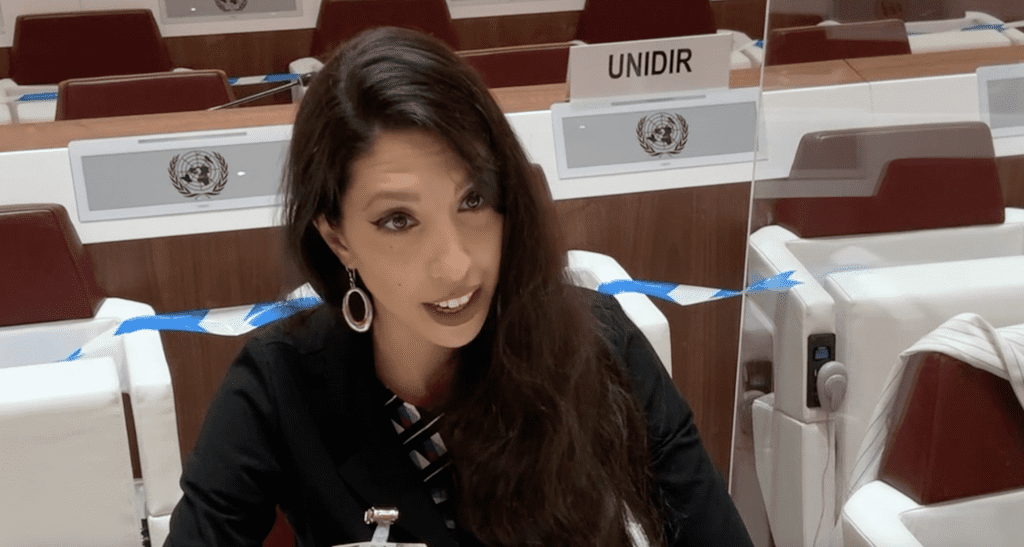
Global AI governance at the UN
Our involvement with the UN's work spans several years and initiatives, including the Roadmap for Digital Cooperation and the Global Digital Compact (GDC).

Worldbuilding Competition
The Future of Life Institute accepted entries from teams across the globe, to compete for a prize purse of up to $100,000 by designing visions of a plausible, aspirational future that includes strong artificial intelligence.

Future of Life Award
Every year, the Future of Life Award is given to one or more unsung heroes who have made a significant contribution to preserving the future of life.
View all projects
newsletter
Regular updates about the technologies shaping our world
Every month, we bring 41,000+ subscribers the latest news on how emerging technologies are transforming our world. It includes a summary of major developments in our cause areas, and key updates on the work we do. Subscribe to our newsletter to receive these highlights at the end of each month.
Future of Life Institute Newsletter: New $4 million grants program!
Mitigating AI-driven power concentration, Pindex and FLI collaboration, announcing our newest grantees and their projects, and more.
Maggie Munro
1 August, 2024
Future of Life Institute Newsletter: California Pushes for AI Legislation
A look at SB 1047, new $50,000 Superintelligence Imagined contest, recommendations to the Senate AI Working Group, and more.
Maggie Munro
5 July, 2024
Future of Life Institute Newsletter: Notes on the AI Seoul Summit
Recapping the AI Seoul Summit, OpenAI news, updates on the EU's regulation of AI, new worldbuilding projects to explore, policy updates, and more.
Maggie Munro
31 May, 2024
Read previous editions
Our content
Latest posts
The most recent posts we have published:
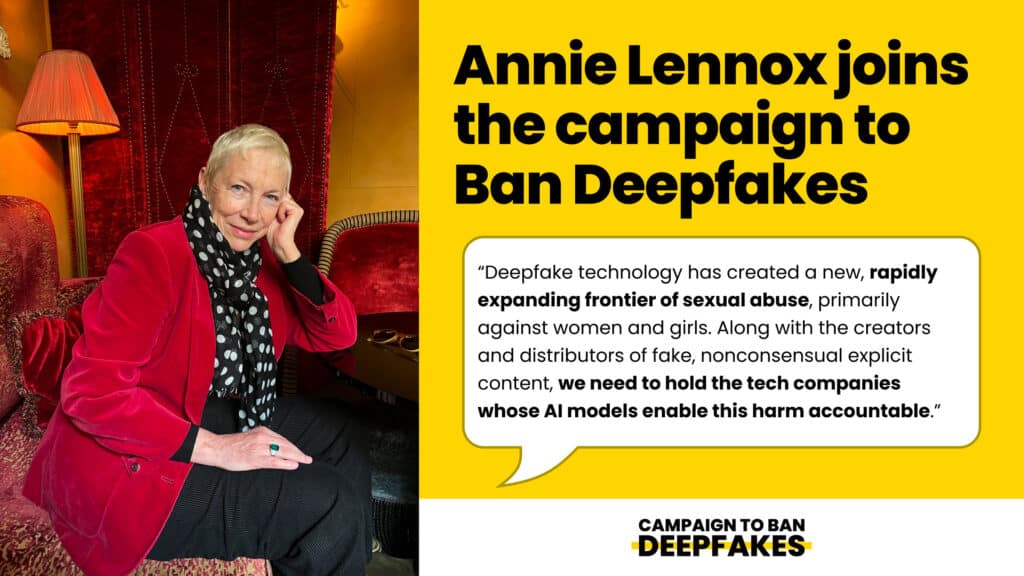
Artist Rights Alliance, Annie Lennox Speak Out with Ban Deepfakes Campaign
Lennox states: "we need to hold the tech companies whose AI models enable this harm accountable."
2 August, 2024
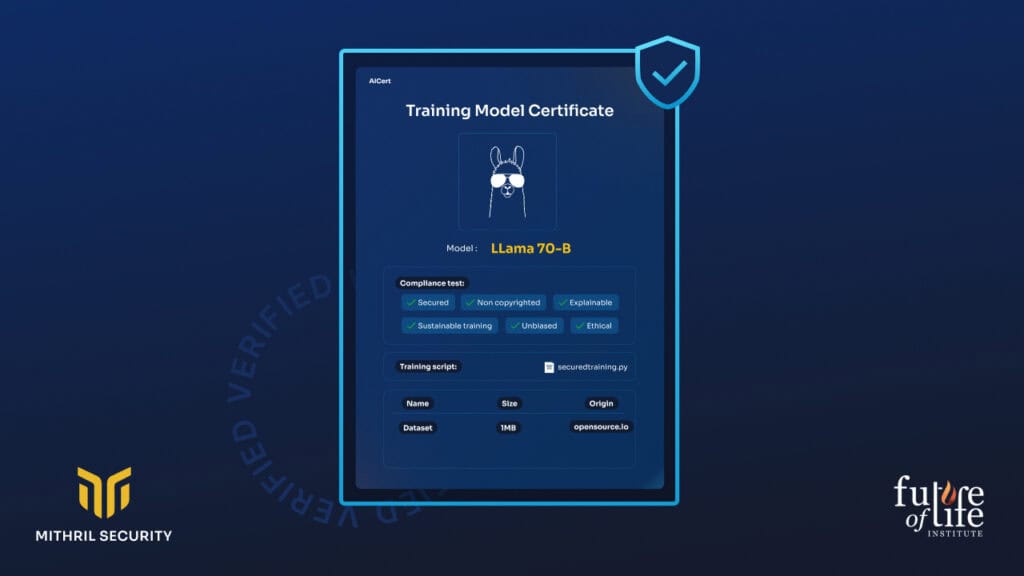
Verifiable Training of AI Models
This collaboration between the Future of Life Institute and Mithril Security presents a proof-of-concept to enable stakeholders to verify the integrity and origin of AI models.
23 July, 2024
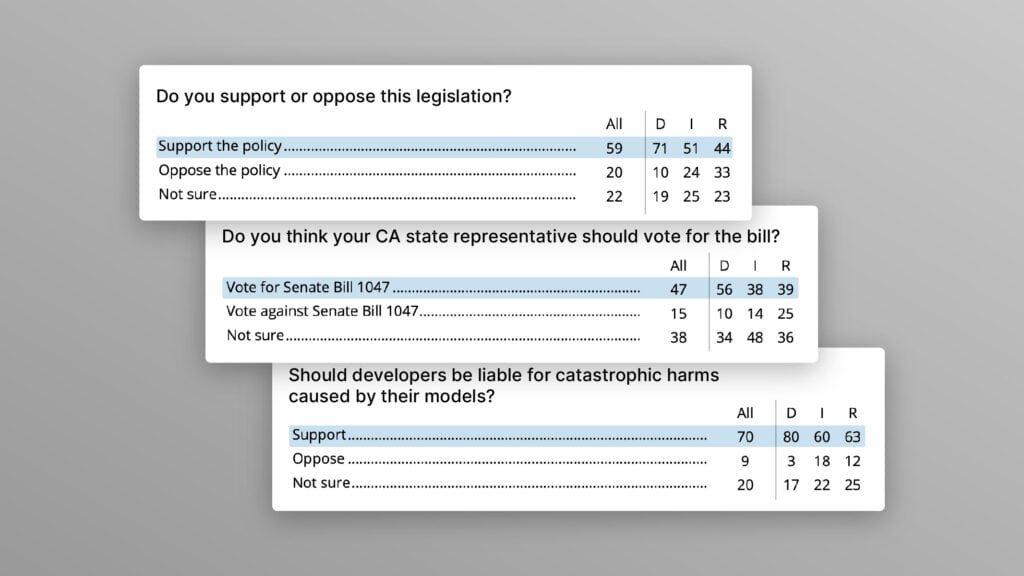
Poll Shows Broad Popularity of CA SB1047 to Regulate AI
A new poll from the AI Policy Institute shows broad and overwhelming support for SB1047, a bill to evaluate the risk of catastrophic harm posed by AI models.
23 July, 2024
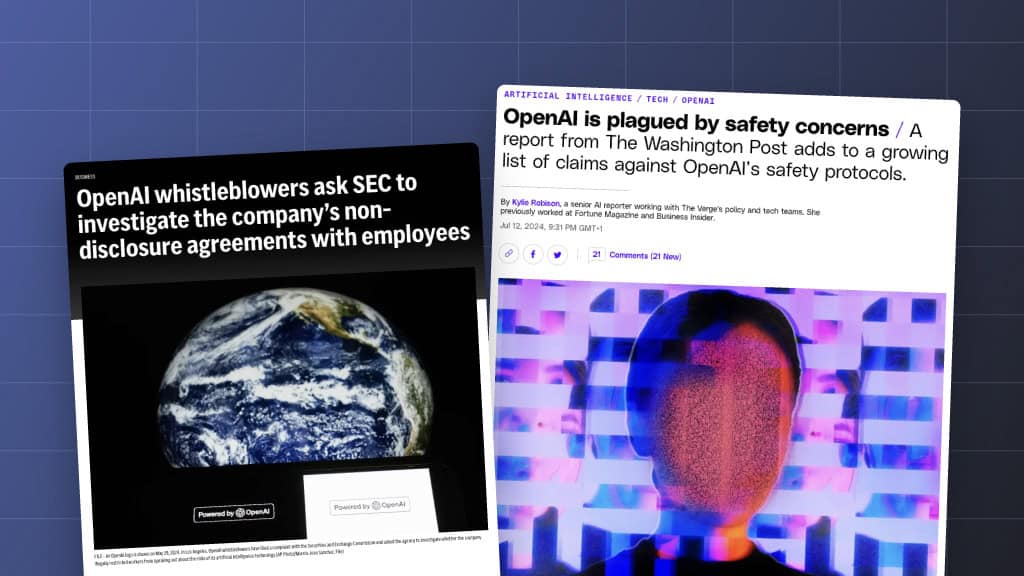
FLI Praises AI Whistleblowers While Calling for Stronger Protections and Regulation
We need to strengthen current whistleblower protections. Lawmakers should act immediately to pass legal measures that provide the protection these individuals deserve.
16 July, 2024
View all posts
Policy papers
The most recent policy papers we have published:
Turning Vision into Action: Implementing the Senate AI Roadmap
June 2024
Recommended Amendments to Legislative Proposals on Deepfakes
May 2024
FLI Response to OMB: Request for Information on Responsible Procurement of Artificial Intelligence in Government
April 2024

Competition in Generative AI: Future of Life Institute’s Feedback to the European Commission’s Consultation
March 2024
View all policy papers
Future of Life Institute Podcast
The most recent podcasts we have broadcast:


16 July, 2024
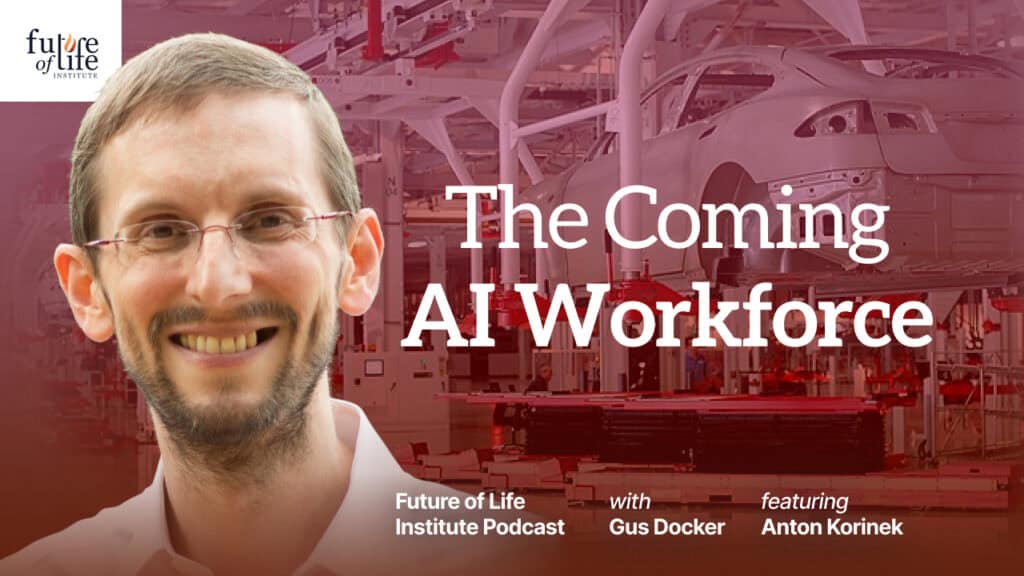
Emilia Javorsky on how AI Concentrates Power
Play

View all episodes